An Evolving Debate on Agri-Food Justice

By Mediaterre

SEPTEMBER 19

Through a dynamic discussion, explore issues of food justice using data from the report “The Unfair Price of Our Food.” You’ll take a stance on several statements, discuss them with the group, and help envision a fairer future for the agri-food system.

Free with reservation
Ticket sales begin on August 28
food justice

In detail

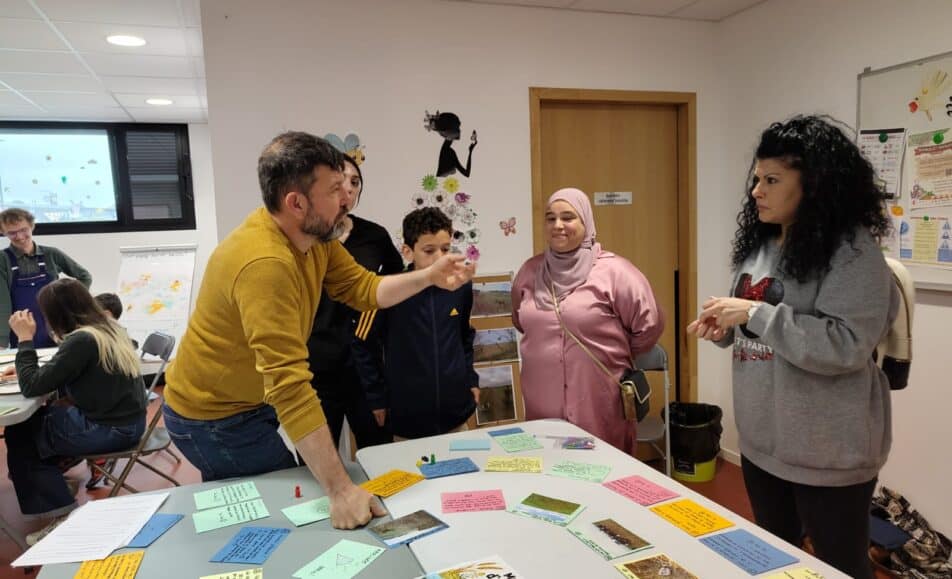
This experience invites you to take part in an evolving debate on food justice.
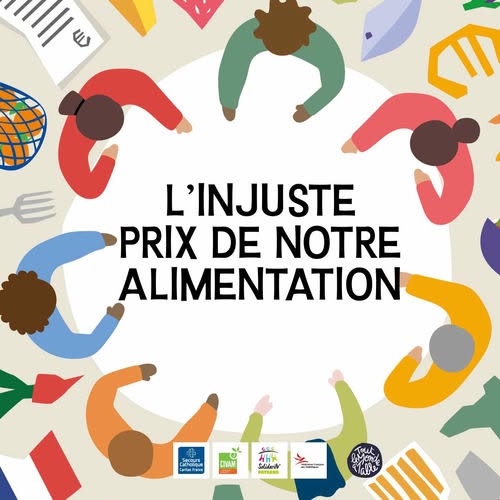
Based on data from the report “The Unfair Price of Our Food,” produced by Secours Catholique, the CIVAM Network, Solidarité Paysans, and the French Federation of Diabetics, you’ll be led to question how the dominant agri-food system works, from seed to plate.

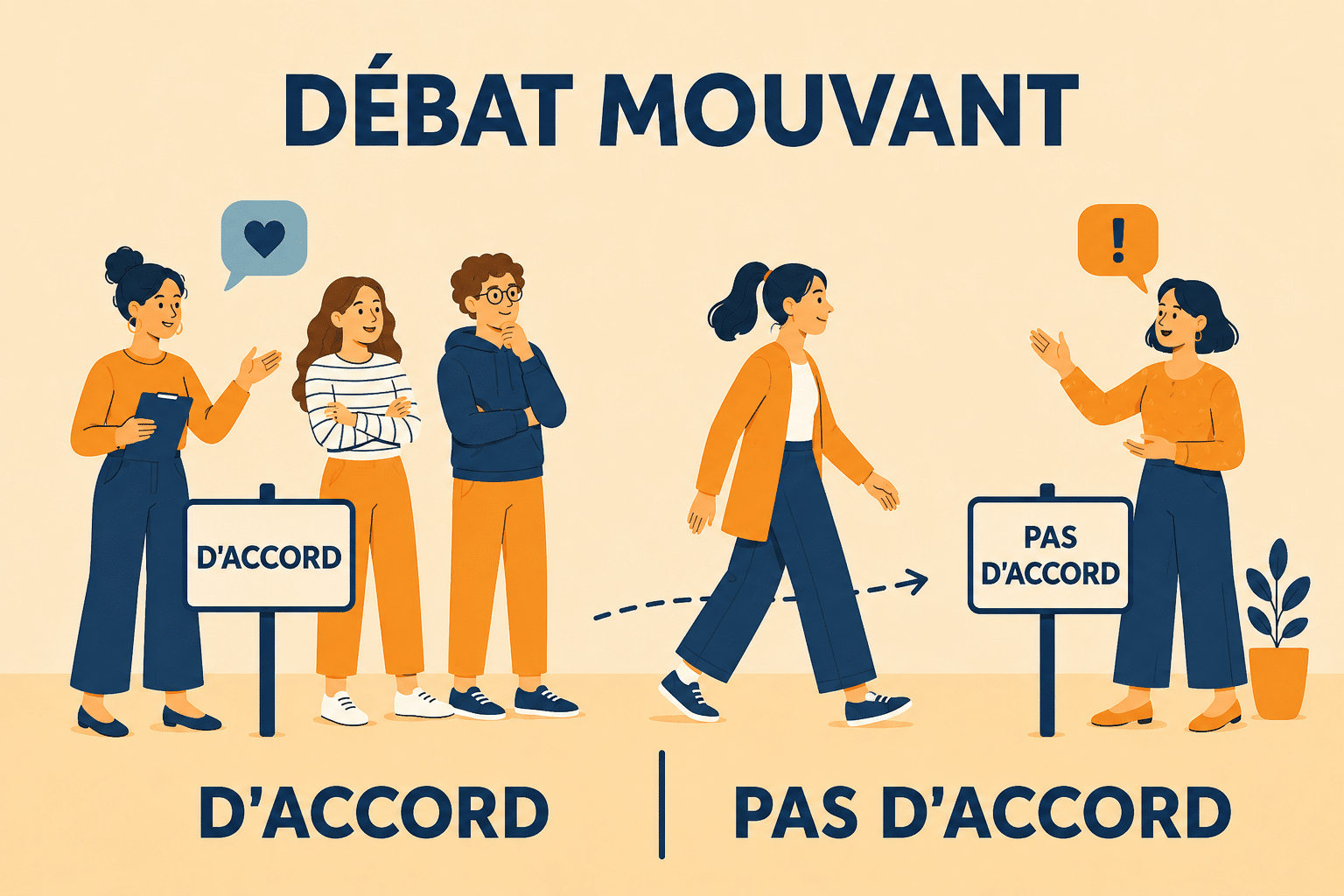
The principle is simple: participants are presented with a number of statements and asked to physically position themselves according to their opinion—“Agree” or “Disagree.”
Each position taken serves as a starting point for discussion, comparing perspectives, and identifying common questions.

The discussions cover five major themes: consumption, distribution, processing, production, and ecosystems. As the discussion unfolds, you’ll explore the tensions, imbalances, and possible paths forward. The ultimate goal is to collectively outline a “fair and ideal” scenario for the future of the agri-food system.

A participatory experience, open to those ages 15 and up, designed to encourage us to reflect together on the dietary, social, and environmental choices that affect us all.

Accessible from the “Village of Sustainable Gastronomy— Organizations Committed to Local and Responsible Food,” make the most of your visit by meeting the other organizations and checking out the activities on offer, and leave with plenty of tips for adopting a more local and responsible diet.

Mediaterre

The Mediaterre association aims to facilitate the social and professional integration of the most disadvantaged and people in need; to design, operate, and run an educational farm; to promote market gardening, permaculture, and organic farming; to act as an intermediary between people facing difficulties and businesses, associations, local governments, or individuals in order to offer occasional paid work opportunities; and to carry out solidarity and charitable initiatives for vulnerable populations. To carry out activities with educational, constructive, and preventive goals; the means to achieve these goals involve economic activities.

LRDG_Toque_DEF_TRANSPARENT_HD copy 2

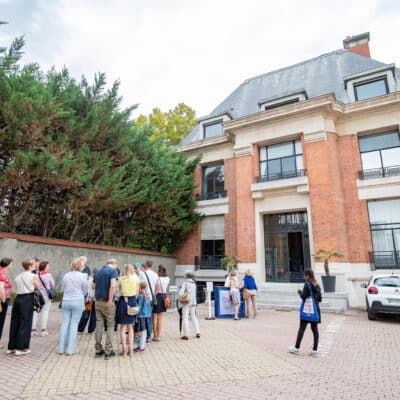
Villa Douce

Built between 1929 and 1934 for notary André Douce, Villa Douce is an Art Deco mansion designed by Pol Gosset. Its brick façade and interior inspired by the ocean liner style make it a unique landmark in Reims’ cultural heritage.
Listed for its remarkable music salon, it now houses the University of Reims Champagne-Ardenne and opens its doors to the public on special occasions, such as the Relais du Goût.
Our partners

The experience is offered as part of the Triangle Marnais Regional Food Project by the City of Reims, Greater Reims, and the Montagne de Reims Regional Nature Park, in partnership with Reims Tourisme & Congrès. It also brings together local partners: the CROUS of Reims, the City of Reims’ School Fund, the City of Reims’ Social Action Center (CCAS), and the La Salle Agricultural High School in Thillois.
Ticket Office

EVENT
August 28,
At 10 a.m.

for the ticket office to open

Practical Information

Duration: 1 hour 30 minutes
📍 Location: Outdoor area of Villa Douce, 9 Bd de la Paix, 51100 Reims
👥 20 participants
🗣️ In French

💰 Prices:
Free with reservation (reservation required)

📆 Dates and times:
Saturday, September 19, at 3:30 p.m.

Partagez cet événement / Share this event

By train: Reims Centre Station, located 1.3 km away on foot or a 7-minute drive.
By bus: Jamot stop, located a 2-minute walk away. Bus lines: C and U1.